
Suing the Government for a Bicycle Accident in California
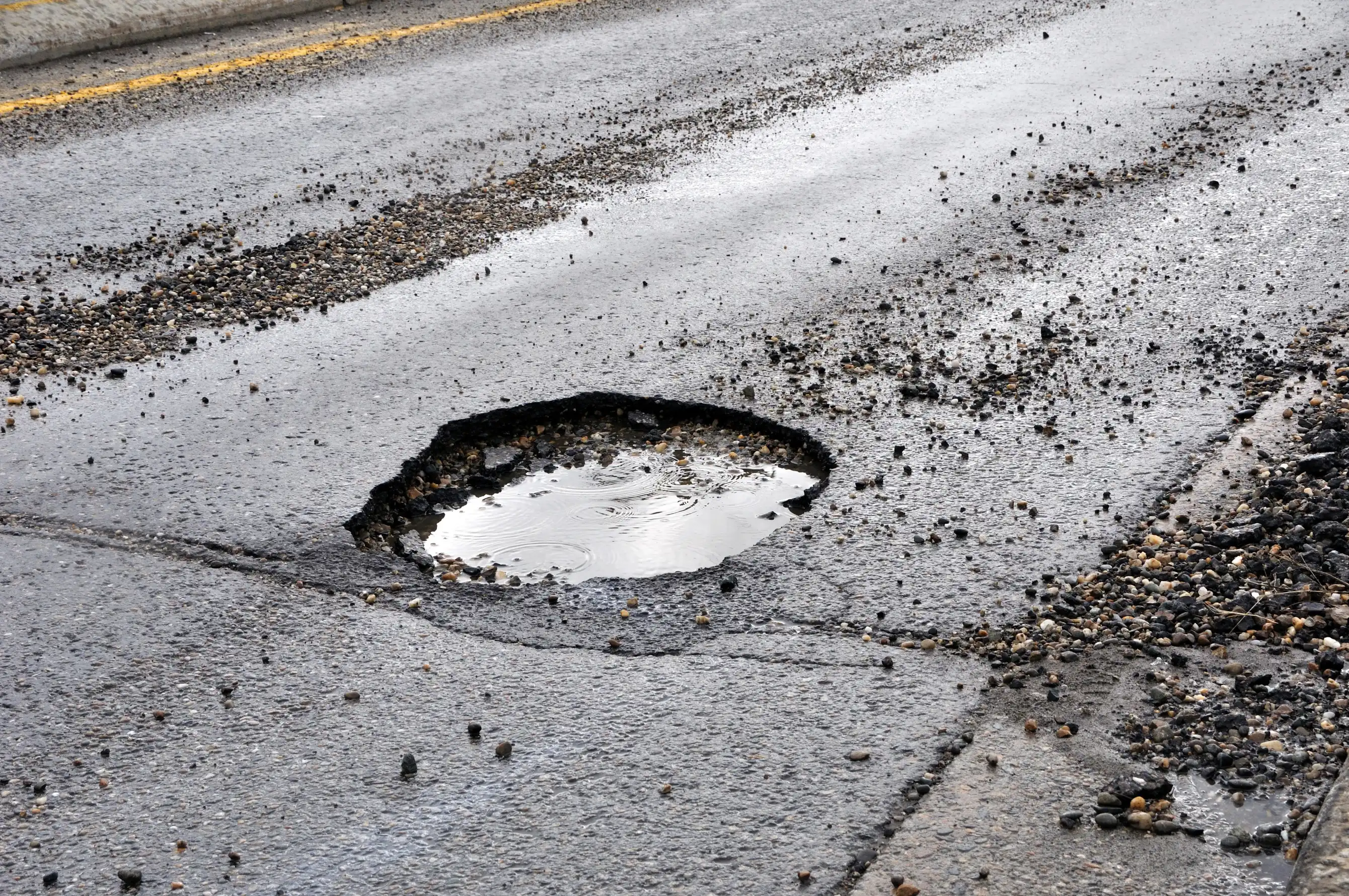
Bicyclists in California enjoy some of the most scenic routes in the country. But when a public roadway is unsafe, the consequences can be devastating. In some cases, the danger is not from reckless drivers, but from government entities that fail to maintain safe roads.
Take the real-world example of State Route 67 near the Iron Mountain Trailhead in San Diego County. For over 20 years, Caltrans knew that hikers parked hundreds of cars along the highway shoulder, forcing cyclists into 55-mph traffic lanes with no warning signs. The result? In 2023, a San Diego cyclist suffered catastrophic injuries when he was struck by a vehicle while forced into traffic.
If your bicycle crash was caused by a hazardous public roadway, you may have the right to hold the responsible government agency accountable. But suing a city, county, or state agency is very different from suing a private party, and the deadlines are much shorter. Our San Diego bicycle accident attorneys have handled these cases against Caltrans and the City of San Diego.
Dangerous Condition of Public Property
Under California Government Code § 835, a public entity can be held liable if:
- The property was in a dangerous condition at the time of the injury.
- The dangerous condition created a reasonably foreseeable risk of the type of injury that occurred.
- The government had actual or constructive notice of the condition for enough time to fix it.
- The dangerous condition was a substantial factor in causing the injury.
A “dangerous condition” is defined in Gov. Code § 830(a) as one that creates a substantial risk of injury when the property is used with due care in a reasonably foreseeable way.
Example: On SR-67, a 500-foot row of parked cars blocked the shoulder, forcing cyclists into high-speed traffic. This design exposed cyclists to a significant risk, even when they followed all traffic laws.
Government Immunities
Government agencies often claim immunity, meaning they cannot be sued for certain decisions or omissions. Common defenses include:
- Design Immunity (§ 830.6): Protects approved roadway designs, but immunity can be lost if the design is poorly maintained, constitutes a concealed trap, or the surrounding area has substantially changed (Cornette v. Dept. of Transp.).
- Traffic Control Device Immunities (§ 830.4, § 830.8): No liability for failure to install signals or signs unless a warning is necessary to make the property safe.
- Trail Immunity (§ 831.4): Protects recreational trail maintenance decisions.
An experienced bicycle accident attorney can argue exceptions to these immunities, such as showing that the danger existed for reasons beyond a missing sign, or that the government had a duty to warn.
Pre-Litigation Investigation
Because of the short claim deadlines, evidence gathering must start immediately. This can include:
- Police Reports documenting the incident.
- Scene Inspections and photographs of hazards.
- Google Street View Historical Imagery to show the long-standing nature of the danger.
- Statewide Integrated Traffic Records System (SWITRS) accident data.
- Public Records Requests (FOIA/CPRA) for internal communications and safety reports.
Specialized experts, such as traffic engineers, human factors analysts, and accident reconstructionists, can help prove that a roadway was unsafe. For a detailed walkthrough of evidence collection after a cycling crash, see our guide on gathering evidence after a bicycle accident in San Diego.
Filing a Government Claim
1. Act Immediately: The Six-Month Deadline
Unlike most personal injury claims, you have just six months from the accident date to file a government claim under Gov. Code § 911.2.
- The six-month clock usually starts on the accident date (accrual).
- Miss it, and your lawsuit will almost always be barred, unless a rare late-claim exception applies (§ 911.4).
Tip: File well before the deadline to allow time for mailing issues or corrections.
“In dangerous road cases, the government isn’t going to protect your rights, you have to. The six-month claim deadline is unforgiving, and missing it can end your case before it starts. Let’s make sure that doesn’t happen.” — Leslie Hulburt, Trial Attorney
2. Identify the Correct Government Entity
You need to identify the government entity that had control over the dangerous condition on the date of the collision. Naming the wrong defendant is a common, and fatal, mistake. The responsible entity could be:
- Caltrans (state highways)
- County public works
- City transportation department
- Joint powers authority (e.g., regional transit or road agencies)
3. Prepare Your Claim Properly
If the entity has its own claim form (§ 910.4), you must use it. If not, include all § 910-required elements:
- Claimant’s name, address, and contact information
- Date, place, and circumstances of the accident
- Description of the dangerous condition and how it caused harm
- Description of injuries and damages (and whether they exceed $10,000)
- Claim amount, if under $10,000
4. Submit and Track Your Claim
How to submit:
- Personal delivery or certified mail with return receipt (§ 915.2)
- Electronic submission (if available) for instant confirmation
- Always keep proof of delivery.
5. What Happens Next?
- 45-day response period (§ 912.4): The agency must approve, reject, or ignore your claim.
- Written rejection: You then have six months from the mailing date to file your lawsuit (§ 913).
- No response: You may have up to two years from the date of injury, but don’t wait. It’s best to file within 60 days of expiration of the 45-day response period.
6. Filing the Lawsuit
Once your claim is rejected, you can file a lawsuit. A strong complaint will:
- State the date of claim filing and claim number
- Identify the date and method of rejection (or lack of response)
- Plead all elements of § 835 liability
- Anticipate immunity defenses (e.g., design immunity, traffic sign immunity)
Building Your Case
Discovery, the formal evidence-gathering process, can uncover crucial documents, including:
- Internal emails acknowledging hazards.
- Prior accident reports.
- Design and signage plans.
In the SR-67 case, plaintiffs used Requests for Production to obtain Caltrans’ own meeting notes showing they recognized the hazard decades before.
Government Defenses
Agencies often argue:
- Comparative Fault: Claiming the driver and/or cyclist were to blame.
- Reasonable Conduct: That their actions met a reasonable safety standard.
- Statistical Safety: Using annual accident rate comparisons to downplay danger.
Counterarguments include expert testimony, traffic safety guidelines, and showing that prior complaints were ignored. California’s pure comparative negligence rule means that even if you share some fault, you can still recover damages proportional to the government’s responsibility.
Summary Judgment
Many government cases are won or lost at the summary judgment stage. The agency will try to have the case dismissed by claiming no triable issues of fact.
In the SR-67 case, the plaintiffs survived summary judgment by showing:
- Caltrans had notice of the hazard for over 20 years.
- The danger was independent of any missing signage.
- Reasonable, low-cost safety measures were available but ignored.
Real Case Example
The SR-67/Iron Mountain Trailhead case shows the devastating consequences of ignoring known roadway hazards.
- Known Hazard: For decades, Caltrans allowed shoulder parking along State Route 67 at the Iron Mountain Trailhead. When hikers’ vehicles filled the shoulder, cyclists were forced into a 55-mph traffic lane with no buffer and no warning signs.
- Ignored Warnings: As early as 2003, Caltrans’ own “Safety Index” evaluation identified the area as a high-risk location for “serious injury or death” to cyclists. Internal meeting notes, community complaints, and prior incident reports repeatedly flagged the danger.
- Simple Fixes Ignored: Solutions such as “No Parking” signs, costing roughly $1,000–$1,500 each, were discussed but never implemented, despite their ability to eliminate the shoulder blockage and restore a safe travel path for cyclists.
On the day of the accident, the plaintiff, an experienced cyclist, was riding lawfully on the right side of SR-67 when parked cars forced him into the traffic lane. A passing vehicle struck him from behind at highway speed. The collision caused catastrophic brain trauma and multiple fractures, injuries that experts agreed could have been prevented if Caltrans had addressed the known hazard years earlier.
In this case, attorney Conor Hulburt secured a seven-figure settlement from Caltrans that will help the injured cyclist on his road to recovery and motivate Caltrans to take action to remedy the dangerous condition created by the parked cars.
“Public agencies have a duty to keep our roads safe for everyone, including cyclists. When they ignore known hazards, we make sure the truth comes out and justice is served.” — Conor Hulburt, Trial Attorney
Hulburt Law Firm
If you or a loved one were injured in a bicycle accident caused by an unsafe road, don’t wait. You may have only six months to protect your rights.
Contact Hulburt Law Firm today for a free consultation. We will investigate the facts, preserve critical evidence, and fight for the justice you deserve.
Complete our Online Contact Form today.
Visit our San Diego Bicycle Accident Attorney page.
Related Reading
Request a Free Case Review
Simply fill out the form or call 619.821.0500 to receive a free case review. We’ll evaluate what happened, your injuries, and potential defendants to determine how we can best help you.

Hulburt Law Firm handles serious personal injury and wrongful death cases throughout San Diego County.


