
Practice area
San Diego Brain Injury Attorney
Traumatic brain injuries in San Diego can result in serious, life-altering consequences, including long-term medical care, cognitive challenges, and significant financial strain. At Hulburt Law Firm, our experienced San Diego brain injury lawyers help victims hold negligent parties accountable and pursue maximum compensation for medical expenses, lost wages, and ongoing rehabilitation.
Whether caused by a car accident, fall, workplace incident, or other act of negligence, our team provides dedicated legal guidance to ensure you receive the justice and support you deserve.
Suffering from a traumatic brain injury? Get help today.
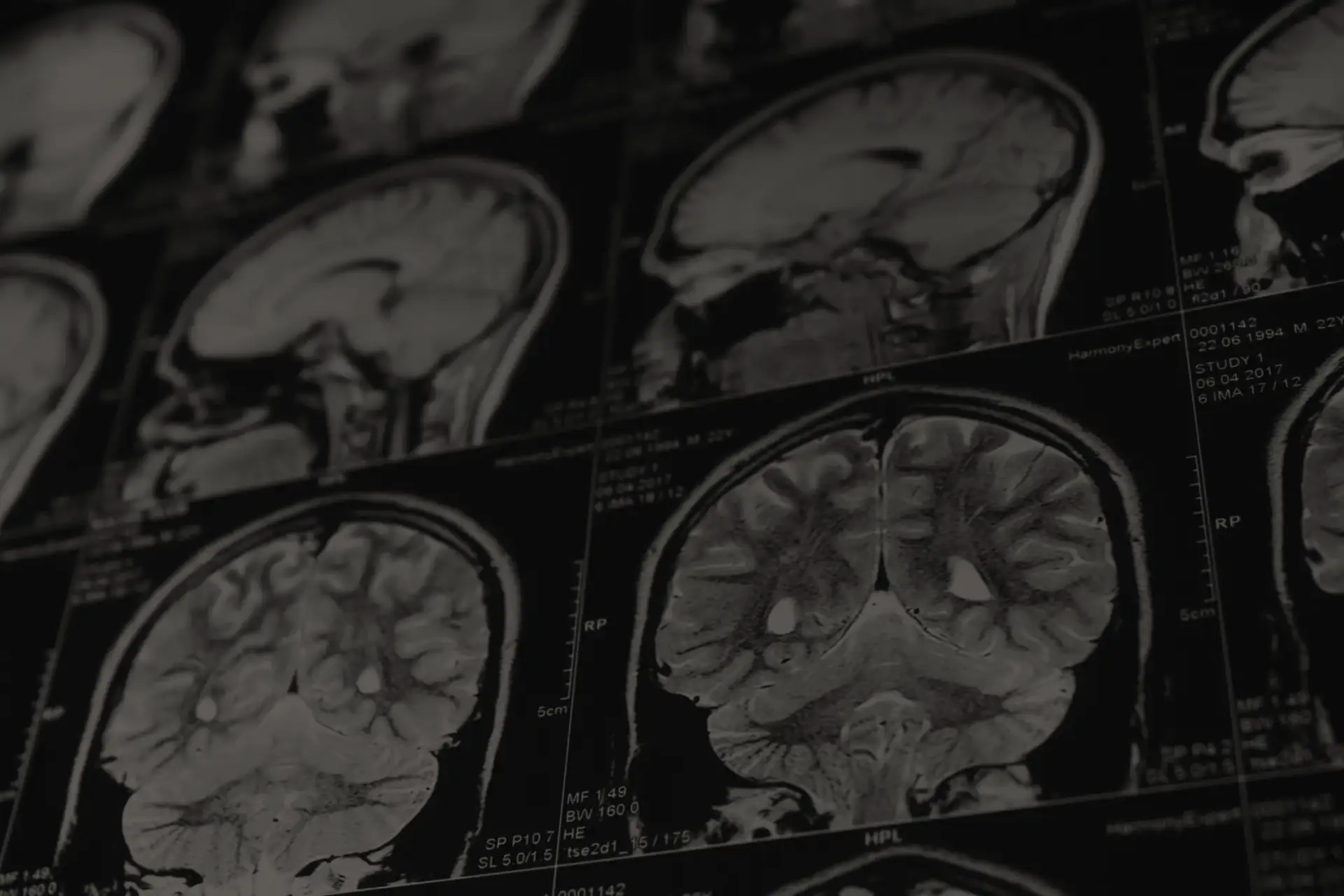
Types of Brain Injury Cases We Handle
After a traumatic brain injury in San Diego, you may feel overwhelmed, uncertain, and concerned about what the future holds. Coping with cognitive changes, ongoing medical treatment, and mounting expenses can create significant emotional and financial stress for both victims and their families.
Hulburt Law Firm helps brain injury victims navigate this complex process, providing compassionate guidance, protecting your rights, and pursuing maximum compensation for medical care, lost income, and long-term recovery needs.
Car, Truck, Motorcycle, Bicycle & Pedestrian Crashes
Falls (Stairs, Balconies, Unsafe Guardrails & Trip Hazards)
Workplace & Construction Incidents
Defective Products & Automotive Defects
Wrongful Death Involving Fatal Brain Injuries
Brain Injury Attorneys
Conor and Leslie Hulburt, founders of the Hulburt Law Firm, are dedicated San Diego brain injury lawyers with extensive experience helping clients recover maximum compensation after serious or catastrophic injuries. They understand the physical, emotional, and financial challenges victims face following brain injuries, and are committed to guiding clients through every step of the legal process.
Known for their genuine care, dedication, and strategic advocacy, Conor and Leslie have built a reputation as trusted personal injury attorneys in San Diego, providing top-tier representation for brain injury victims and ensuring justice is served.

Brain Injury Case Results
Our experienced attorneys have a proven track record of achieving extraordinary results in brain injury cases.
Dangerous Roadway
Jury verdict against Caltrans for a 13-year-old boy who was hit by a car while using a dangerous crosswalk.
Tire Failure
A sudden tire failure caused an SUV to fishtail and crash into a tree on the side of a San Diego County highway, killing a beloved husband and father.
Car Accident
A San Diego I-5 freeway collision resulted in brain and spine injuries.
Premises Liability
An apartment building owner in San Diego failed to maintain the second story guard railings, resulting in a woman falling through a railing and suffering a brain injury.
Premises Liability
An apartment complex owner ignored the dangers of second-story window seats, resulting in a toddler falling out of a window and suffering a severe brain injury.
Auto Defect
The driver's head restraint broke off when he was rear-ended at high speed on the 15 freeway, causing the driver to suffer a spinal cord injury and paralysis.

The Hulburt Law Difference

In-Depth Investigations
Forget surface-level research and mediocre inquiries. We dive deep to conduct extensive investigations and gather evidence in order to build your strongest case.

Tech-Forward Approach
We use technology to your advantage. By using video and photography, scene recreations, and graphics, we tell your story in a visually-compelling way that other law firms cannot match.

Maximum Compensation
Defense attorneys and insurance companies know us and respect us. We assess the full extent of your damages and pursue all responsible parties in order to maximize the compensation you deserve.

The Right Experience
Catastrophic injury and wrongful death cases are rarely simple. We have taken on the largest corporations, insurance companies, and defense firms in the country and won.

Genuine Care
We don’t just talk the talk, we walk the walk. From providing regular case updates to achieving life-changing results, we genuinely care about each and every one of our clients.
Our Approach to Brain Injury Cases
Throughout the process, we keep you informed, answer any questions you may have, and provide ongoing support. We limit the number of cases we take on so that we can dedicate the time and attention needed for each case.
With the Hulburt Law Firm by your side, you can focus on your recovery while knowing that your legal claims are being taken care of. If you or a loved one has been involved in a brain injury accident, contact us today for a free case review.

Navigate the Law
Understand and manage the complexities of your case with an expert legal team on your side.

Gather Crucial Evidence
Our legal team collects crucial evidence to present a compelling case.

Negotiate Settlements
We handle negotiations with insurance companies and opposing parties in order to achieve the highest settlements possible.

Representation in Court
Our experienced attorneys provide skilled representation if your case goes to trial.
How a San Diego Brain Injury Case Works
Brain Injury Case Review
During your free case review, we listen to what happened, what symptoms you’re experiencing, and how the injury is affecting your daily life and work. We review any information you already have—accident reports, photos or video, medical records, imaging results, and insurance letters—and give an honest assessment of whether a brain injury claim may be available under California law. This conversation is confidential and there’s no obligation to move forward.
Early Investigation
If you decide to work with us and the scope of representation is signed, we move quickly to investigate the incident and preserve key evidence. Depending on the cause of the injury, that may include securing traffic-camera or business-camera footage, documenting the crash scene or hazardous property condition, obtaining police or incident reports, interviewing witnesses, and preserving physical evidence. Acting early matters because video is often overwritten and conditions at a scene can change quickly.
Medical Evaluation
Brain injuries are often underestimated because symptoms can be hard to “see.” We work to gather the right medical evidence, which may include emergency records, neurology evaluations, cognitive and memory assessments, therapy notes, and imaging. When appropriate, we coordinate with qualified specialists—such as neuropsychologists and other experts—to document cognitive changes, attention and processing issues, mood changes, and other effects that may not appear clearly on a scan.
Proving Liability
Using the evidence, we identify all potentially responsible parties—such as negligent drivers, property owners, employers, product manufacturers, or public entities responsible for dangerous roadways. At the same time, we evaluate the full scope of damages, including past and future medical care, rehabilitation, lost income and reduced earning capacity, and the ways the brain injury has changed your independence, relationships, and ability to function day to day.
Settlement Strategy
We handle communications with insurance companies and defense lawyers so you don’t have to. In brain injury cases, insurers often try to argue symptoms are unrelated, “just a concussion,” or based on pre-existing conditions. We present the medical and life-impact evidence—including expert opinions when needed—to show the true extent of the injury and what your future needs look like. Throughout negotiations, we keep you informed, explain offers in plain language, and help you weigh settlement versus litigation.
Litigation and Trial
If a fair resolution cannot be reached, we are prepared to file a lawsuit and take your case to court. Litigation can involve written discovery, depositions of witnesses and medical providers, and testimony from experts such as neurologists, neuropsychologists, life-care planners, and economists. At trial, we work to present complex brain-injury evidence clearly and persuasively—so decision-makers understand not only how the injury happened, but how it has changed your life and what it will require going forward.
California Brain Injury Law: Claims, Damages & Deadlines
Brain injury cases in California are often evaluated under the same legal framework as other serious injury claims—negligence, causation, and damages—but TBIs frequently require more medical and “life impact” evidence because symptoms can be subtle, delayed, or difficult to measure.
What Do You Have to Prove in a California Brain Injury Case?
Comparative Fault in Brain Injury Cases
Types of Compensation in California Brain Injury Claims
Deadlines to File a Brain Injury Lawsuit in California
Survival Claims and Pre-Death Pain and Suffering
Brain Injury FAQs
What should I do after a concussion or suspected brain injury in San Diego?
Can I have a brain injury claim if my CT or MRI is normal?
What is post-concussion syndrome, and how long can symptoms last?
What are common signs and symptoms of a traumatic brain injury?
What causes brain injuries in San Diego personal injury cases?
Do I need a lawyer for a brain injury case in California?
What evidence is important in a brain injury case?
What compensation is available in a California brain injury claim?
How long do I have to file a brain injury lawsuit in California?
What experts are used in brain injury cases?
What if my loved one suffered a fatal brain injury?
Serving Brain Injury Victims Across San Diego County
Hulburt Law Firm proudly serves brain injury victims throughout San Diego County, providing experienced legal guidance, compassionate support, and aggressive advocacy to help clients recover maximum compensation for injuries, medical expenses, lost wages, and long-term impacts.

Request a Free Case Review
Simply fill out the form or call 619.821.0500 to receive a free case review. We’ll evaluate what happened, your injuries, and potential defendants to determine how we can best help you.

The Hulburt Law Firm specializes in catastrophic personal injury and wrongful death cases in San Diego, California.


